How Jared Hall Built 3A.M. Luxury From Nebraska to Paris
Jan 06, 2026Executive summary
Jared Hall’s story is the kind founders need to hear more often: a Midwest creator who turned a meaning-driven brand idea into 3 a.m. luxury, then earned his way from an early wholesale “yes” in Kansas City to international runway opportunities—while staying brutally honest about the unsexy parts (especially finances).

Big takeaways:
-
Brand meaning matters (and helps customers remember you).
-
Craft and supply chain choices become part of the brand.
-
“Brand awareness vs. money right now” is a real tradeoff—longevity requires patience.
-
Don’t romanticize the leap: keep a cushion and learn your numbers.

Golfing With Innovators: Jared Hall on building 3 a.m. luxury (and the real cost of “going for it”)
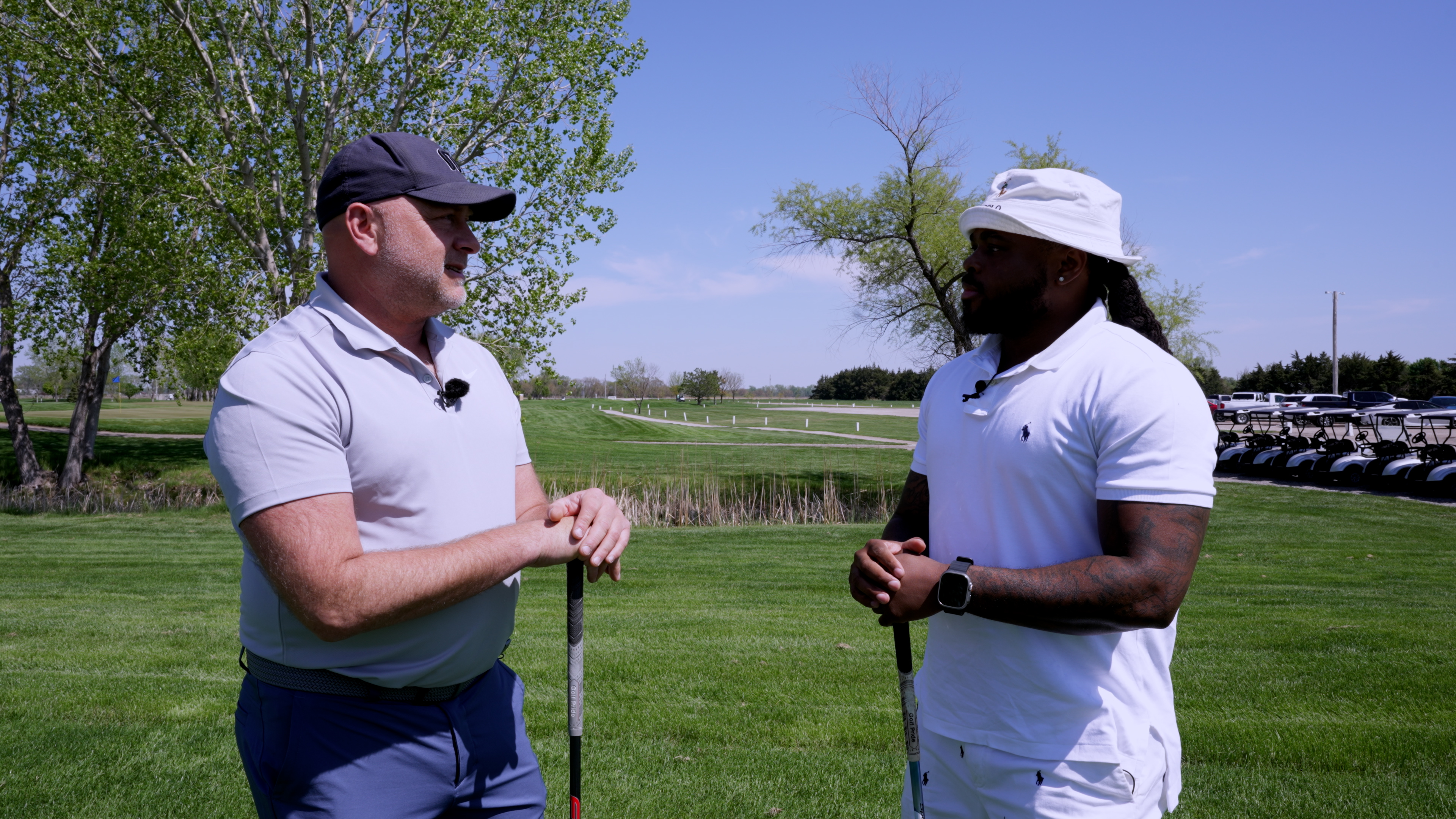
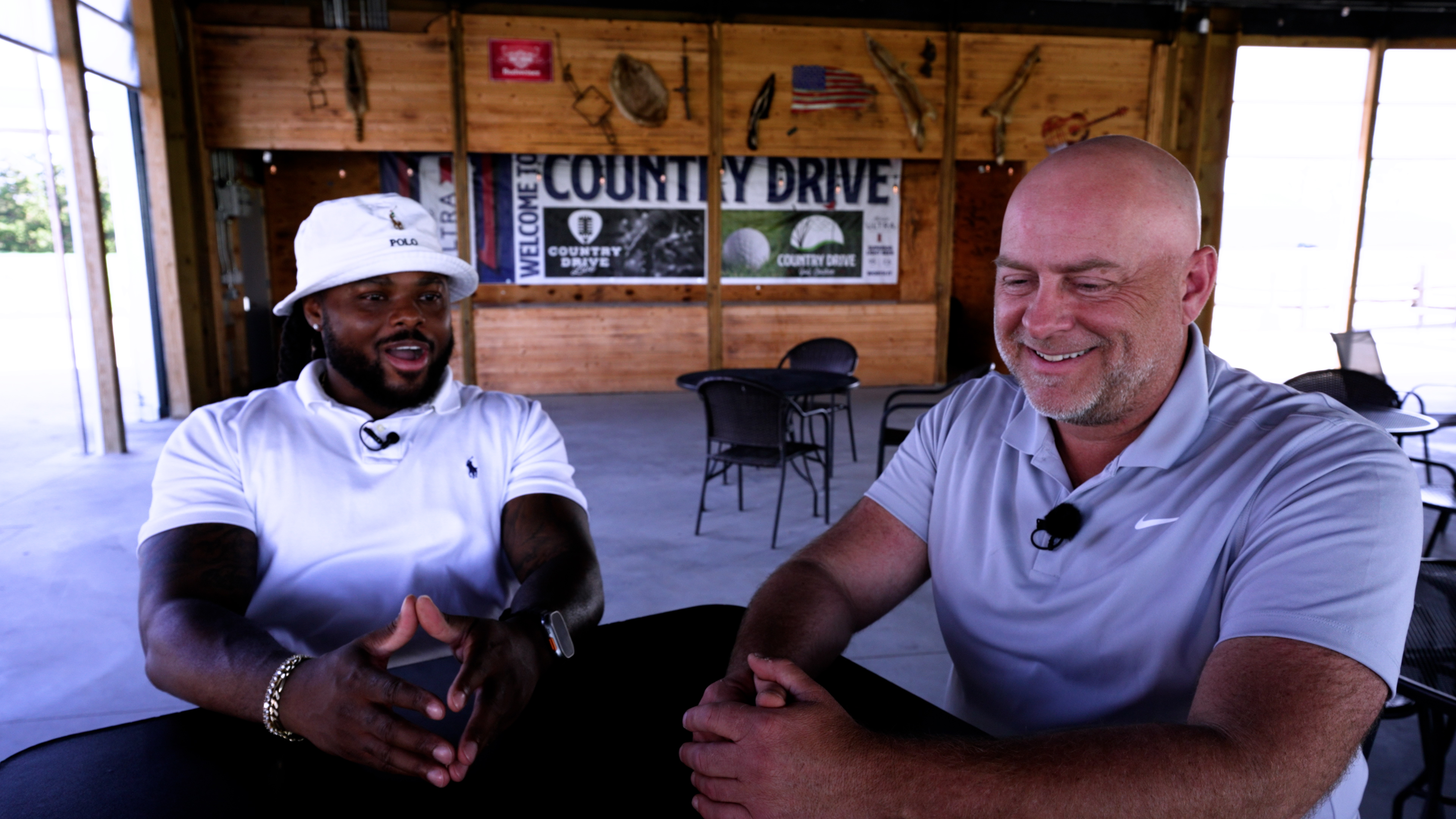
We met up at Country Drive Golf Course in Ashland, Nebraska for a special Golfing with Innovators episode—nine holes, a team scramble, and the kind of between-shots conversation that always hits different than a studio interview. There’s something about walking, talking, and playing that makes founders drop the polished version of the story and give you the real one.

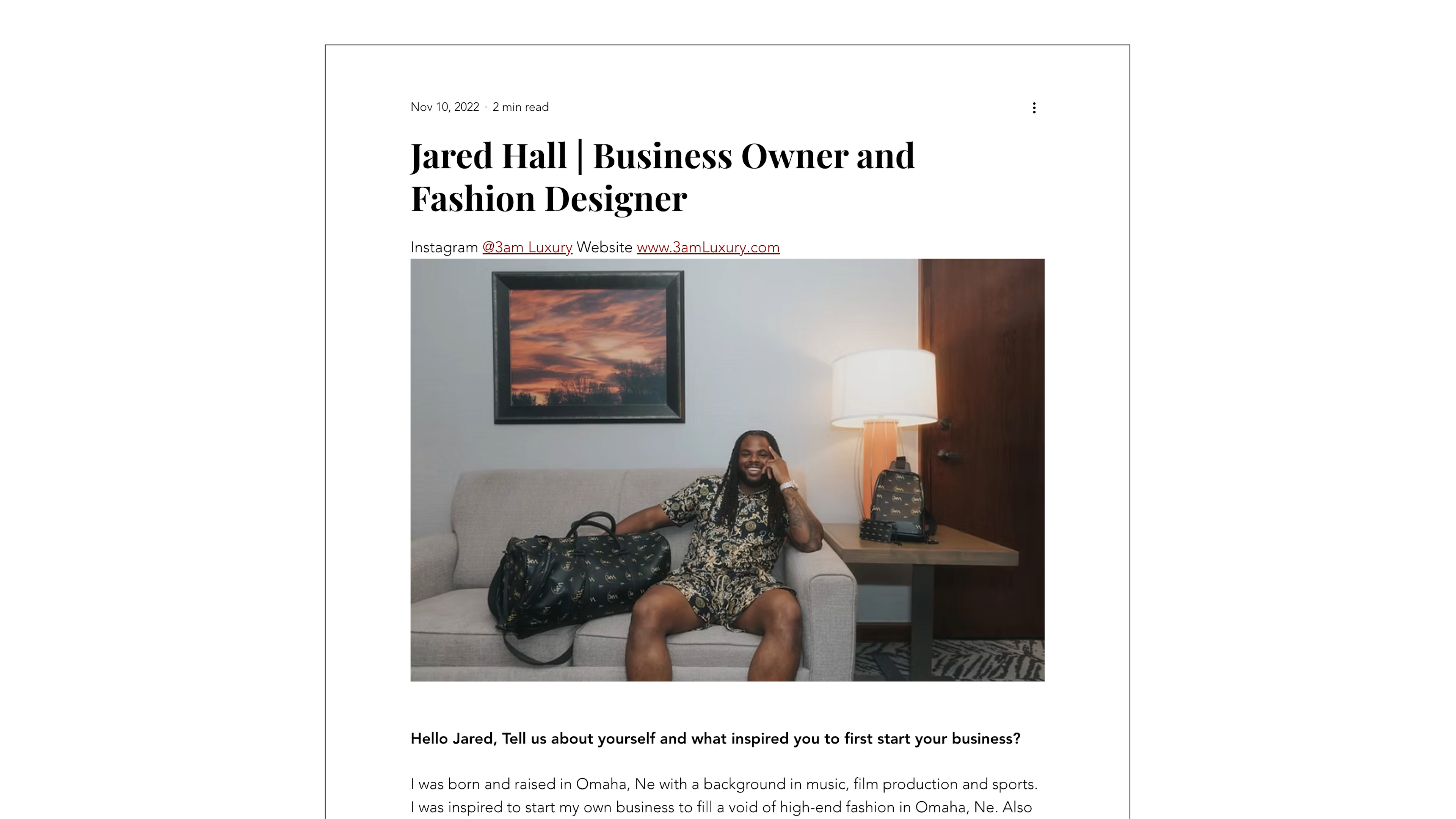
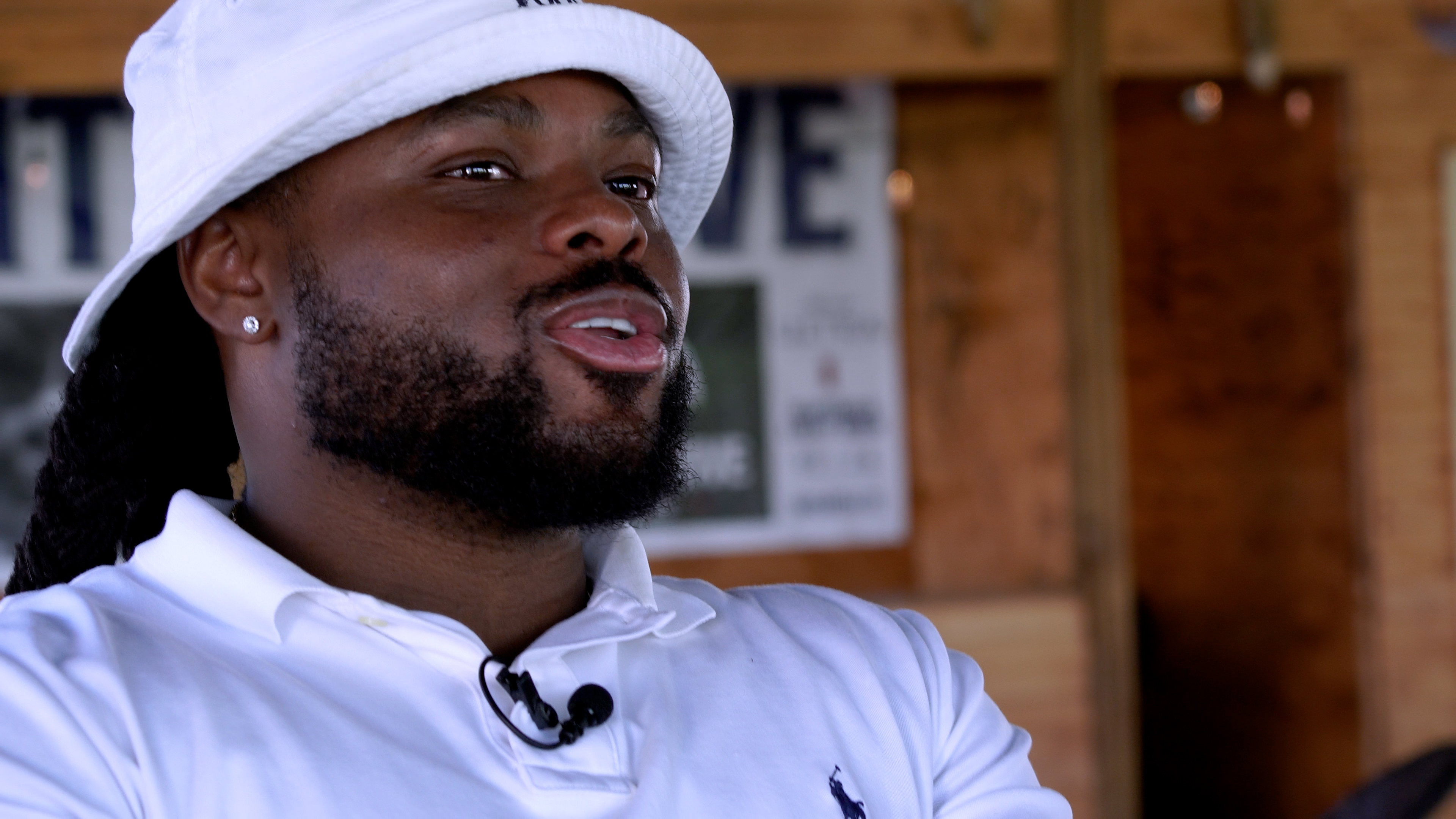
Jared Hall is the founder and designer of 3 a.m. luxury—a luxury handbag brand rooted in a philosophy, not just a product line. And what stood out most wasn’t just the list of places his work has traveled. It was how clearly he thinks about identity, craftsmanship, and the long game.
If you’re building anything—bags, software, services, content—this interview is basically a masterclass in what it takes to turn a personal vision into a brand that can travel.
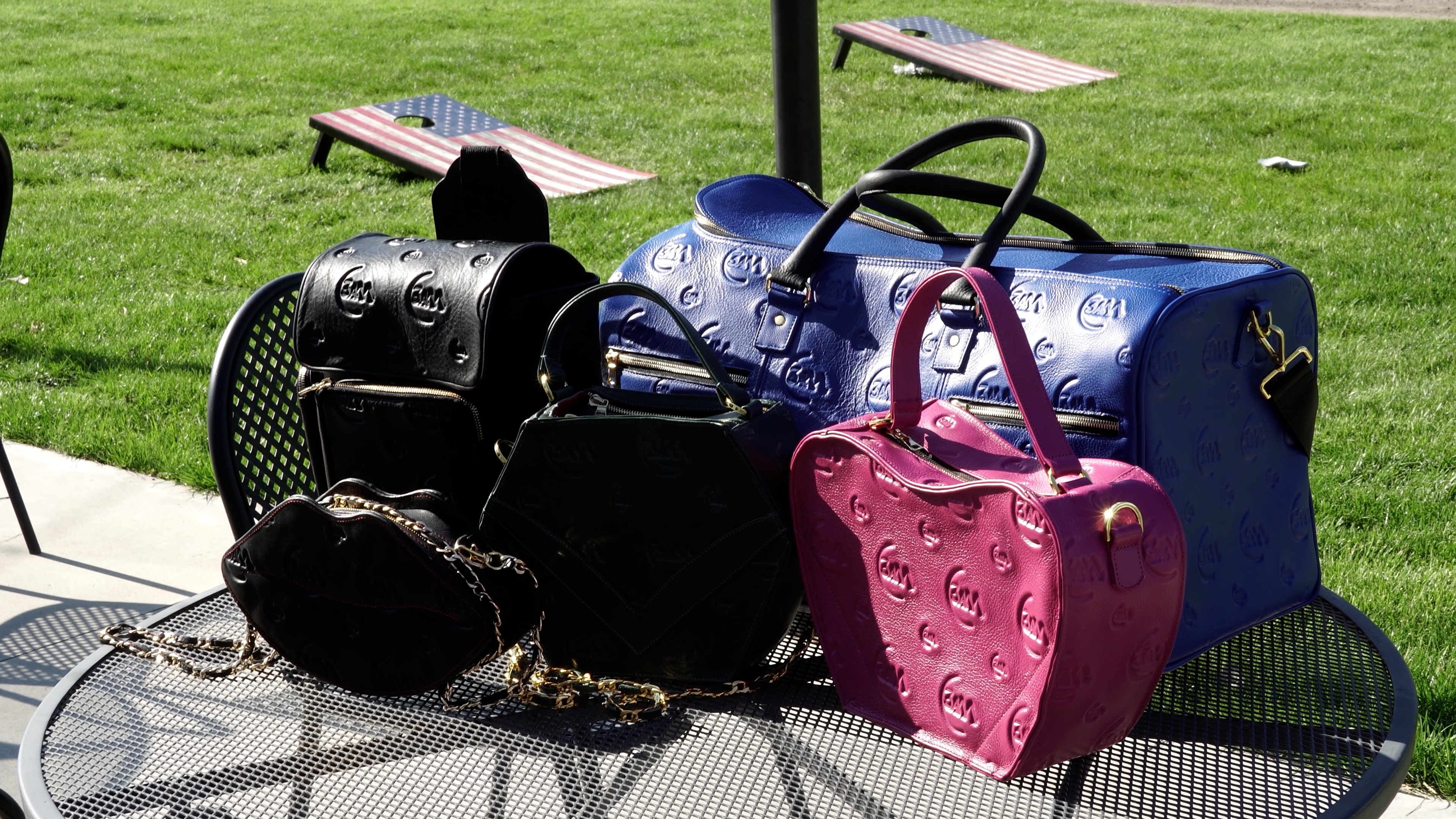
The meaning behind “3 a.m.” (and why that’s more than a logo)
Early in our round, I asked Jared about what he offers the world, and he went straight to the meaning behind the brand.
He broke down the “3 a.m.” concept like a philosophy:
-
“3” as third eye—a free-thinker and creator mindset
-
“8” as the angle you see reality
-
“M” as two pyramids—one representing mental elevation, one representing manifestation
That isn’t symbolism just to sound cool. It’s a built-in story customers can repeat. In a world where attention is expensive and trust is scarce, a brand that stands for something gets remembered—especially when the meaning is simple enough to explain to a friend.

This is one of those founder lessons that’s almost annoying because it’s so obvious once you see it: the brand isn’t your website, your logo, or your colors. The brand is the idea people carry about you when you’re not in the room.
CALL-OUT — Brand: 3 a.m. luxury
From athlete to founder: the teamwork lesson most creatives skip
Jared’s background surprised me. He’s not coming from a typical “fashion pipeline.” He talked about an early life packed with sports—wrestling, basketball, track, football, cross country—and he connected it directly to entrepreneurship: teamwork is non-negotiable.
He put it bluntly: everybody wants to be Michael Jordan, but if Jordan didn’t have Scottie Pippen and Steve Kerr, “it wouldn’t have worked.”
That’s a founder truth people resist until the market forces it: if you want global outcomes, you eventually need a team—vendors, collaborators, a production partner, someone to handle ops, someone to sell, someone to finance. Even “solo” brands are never really solo once they become real.

The first products weren’t glamorous—and that’s the point
Jared didn’t start by launching some massive luxury collection. He talked about earlier steps like dialing in the logo, starting with a t-shirt, and then moving into leather with a duffle bag and a backpack.

That progression matters because it shows how real brands grow: you don’t start with “luxury,” you earn it through iterations, reps, and proof. You earn it by learning what your customers respond to, what your supply chain can support, and what your standards actually are when it’s time to scale.
Most people want to skip to the version of the story where it’s already working. Jared’s path is the better one: start with what you can ship, learn fast, and keep leveling up the craft.

The manufacturer hunt (and the leather quality trap)
This was one of the most practical parts of our conversation: how do you even find a manufacturer when you’re starting from Nebraska?
Jared’s thinking was strategic: since he’s from Omaha—“in the middle of the middle of America”—why not try to do everything in America? He networked his way into introductions, contacted different manufacturers, and ultimately found one in California.

Then he dropped a detail that a lot of first-time product founders miss: not all “leather” language means what people think it means.
He explained that some manufacturers are “one-stop shops” with materials on hand, but you should consult multiple companies and ask exactly what kind of leather they use—because people hear “genuine leather” and assume it means top-quality “real leather,” when the reality is more complicated.
The founder lesson: your material decisions are part of your marketing, whether you want them to be or not. If you’re selling premium, you can’t afford vague inputs. Customers can feel quality—even when they can’t name why.

The moment it became a business: first wholesale deal in Kansas City
A lot of founders can point to “the moment” where a hobby became a business. Jared’s moment was a simple question.
At his first fashion show in Kansas City, someone wanted bag after bag. So he asked: if you want that many, why not put them in your store? That conversation turned into his first wholesale deal.
This is the underrated founder move: stop selling one at a time when demand is clearly telling you it wants a distribution channel. Wholesale, partnerships, affiliates, licensing—these aren’t “later” strategies. They’re scale strategies, and sometimes the opportunity is literally standing in front of you asking for ten units.
The global leap: Dubai, Paris, and choosing longevity over “money right now”
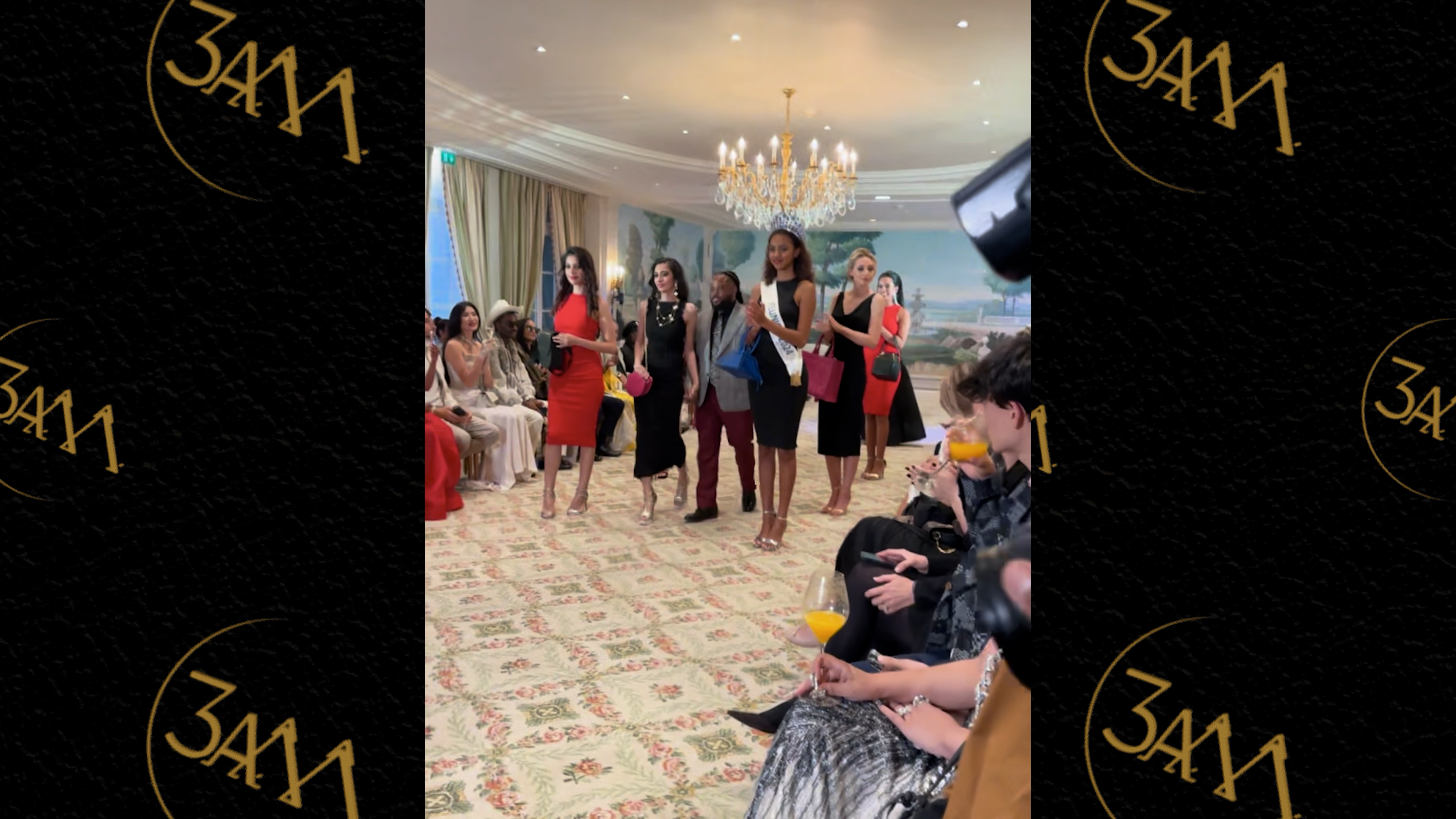
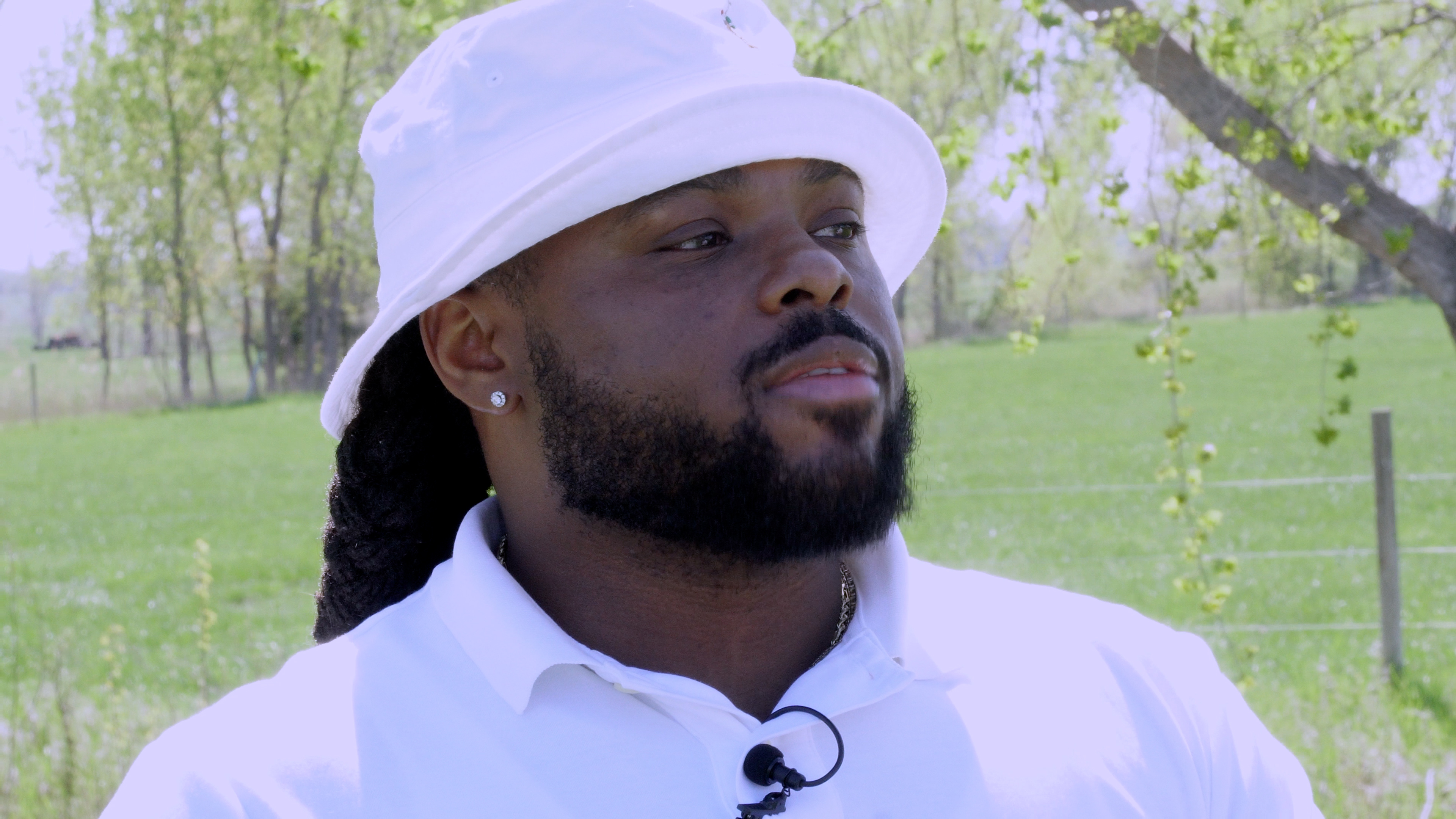
Jared talked about his first international show—Dubai—and how that opened his eyes. Before that, he’d done shows in places like Kansas City and Los Angeles. Then suddenly, the rooms got bigger, the expectations got higher, and the stakes got more real.
And here was the line I think every founder needs tattooed on their brain:
If you want the money right now, you’re not playing for longevity.

He admitted he used to look at money first. But he got educated on the business side of fashion and started to think in terms of brand awareness: how you get your name out there, and what you’ll do once it’s out there. The money comes with time—if you can survive long enough to get the compounding effect.
That’s the hard part founders don’t plan for. Not the talent. Not the creativity. The staying power.
CALL-OUT — Event: Festival de Cannes (where “global stage” attention is real)
Craft recognizes craft: Miura clubs, “butter,” and the mindset of premium
At one point, I told Jared about the clubs we were using—Miura Golf, handmade Japanese golf clubs—and joked that if you’re into the finer things, you’d appreciate them. When you hit them clean, it feels like butter.
That moment matters because it mirrors luxury itself. Luxury isn’t just “expensive.” Luxury is the feel—the finish, the experience, the care. It’s the invisible discipline behind the product.
And if you’re building a premium brand (in any category), that’s the game: make the experience so clean that people can feel the difference before they can explain it.

Cannes, Monte Carlo, and how networks compound
We got into travel and big stages. Jared talked about flying in because of the Cannes Film Festival energy, red carpets, and the kind of rooms where the right introduction can change your entire year.
He also mentioned heading to Monte Carlo for another fashion show—one of those places where the brand environment matches the product environment. (If you’ve never looked into it, Monte-Carlo Fashion Week is a real thing, and it’s exactly as glamorous as it sounds.)
This is what compounding looks like in real life: one room leads to another room, one opportunity stacks into the next. That’s why “networking” isn’t small talk. It’s distribution.
CALL-OUT — Event: Monte-Carlo Fashion Week

Celebrity signal: Amber Ruffin + the Emmys + Broadway
One of the coolest proof points Jared shared: Amber Ruffin wanted one of his pyramid bags for the Emmys, and he created a smaller pyramid. She wore it around the Emmys, and later there were photos of her with the bag when she opened on Broadway in New York.
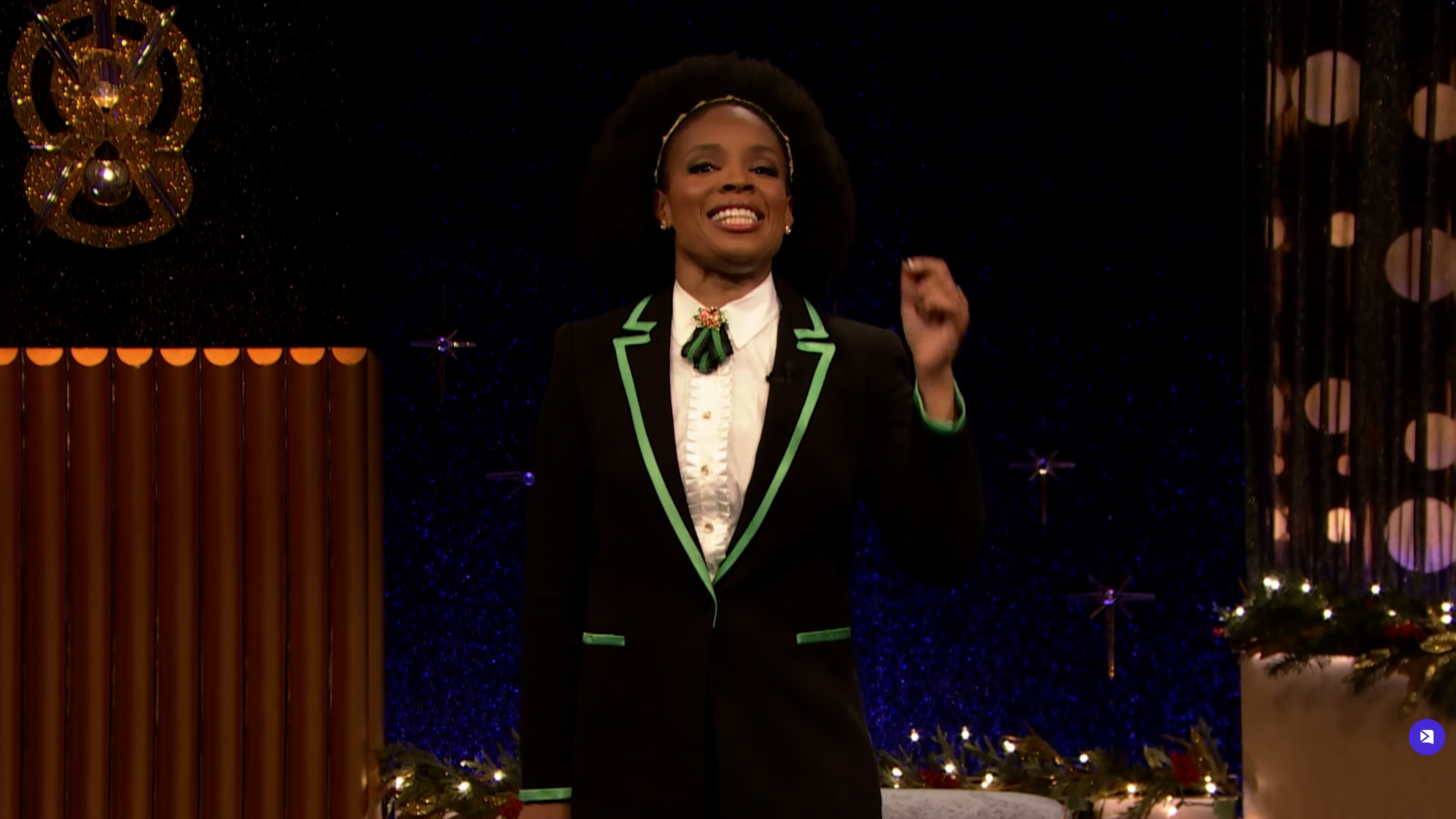
That’s not just “cool.” That’s brand validation in the wild.
And it highlights another founder lesson: you don’t need everyone to wear your product. You need the right people in the right contexts. A single moment of authentic visibility can do more than months of paid ads—because it carries cultural trust.

CALL-OUT — Person: Amber Ruffin
CALL-OUT — Show: The Amber Ruffin Show (Peacock)
CALL-OUT — Awards: Emmy Awards (Television Academy info)
CALL-OUT — Broadway: Broadway.com

The unglamorous truth: finances are the real boss fight
Near the end, I asked Jared about his biggest struggles.
He didn’t talk about haters, algorithms, or competition.
He talked about understanding finances—because you can pour money into something without knowing what return is going to come from where. That’s the quiet killer of great brands: not a lack of creativity, but a lack of clarity.

Then his advice to someone thinking about starting a business (especially someone with a job): don’t walk away too early. Have a cushion so you can still pay bills while you build.
That’s founder talk you can trust because it’s earned, not guessed.
What you should steal from Jared (even if you’re not in fashion)
-
Make your brand repeatable. If people can’t explain it, they can’t share it.
-
Treat sourcing as brand strategy. Manufacturing choices and materials are marketing.
-
Look for wholesale / channel moments early. One-to-one is fine—until demand tells you it’s time.
-
Choose longevity over “right now” money. Awareness isn’t fluff; it’s the runway for future sales.
-
Know your numbers or you’ll pay for the lesson. Creative energy without financial clarity gets expensive.
Brands / platforms
-
Peacock (for streaming references)
People
-
Terence “Bud” Crawford (boxing reference)
Events / places
The PFC Founder Starter Kit
(Value: $199 - Yours FREE)
-
The PFC Founder Blueprint Diagnostic: Your 10-minute "Pattern Recognition" tool to identify your Q1 Goals.
-
The 60-Minute Founder Clarity Masterclass: A deep dive into the Revenue 101 systems used by successful Midwest founders.
-
The Revenue Funnel Spreadsheet: A plug-and-play template to calculate LTV and predict your monthly income.
-
Free Guest Passes: Limited access to weekly live and on-demand member trainings.
-
The Vault Reading List: The essential books that form the foundation of the Prairie Founder Operating System.
-
Apply on the Job/Opportunity Board:
Search our internal Job and Gig board to find your next strategic partnership, job or opportunity.
Stay connected with news and updates!
Join our mailing list to receive the latest news and updates from our team.
Don't worry, your information will not be shared.
We hate SPAM. We will never sell your information, for any reason.